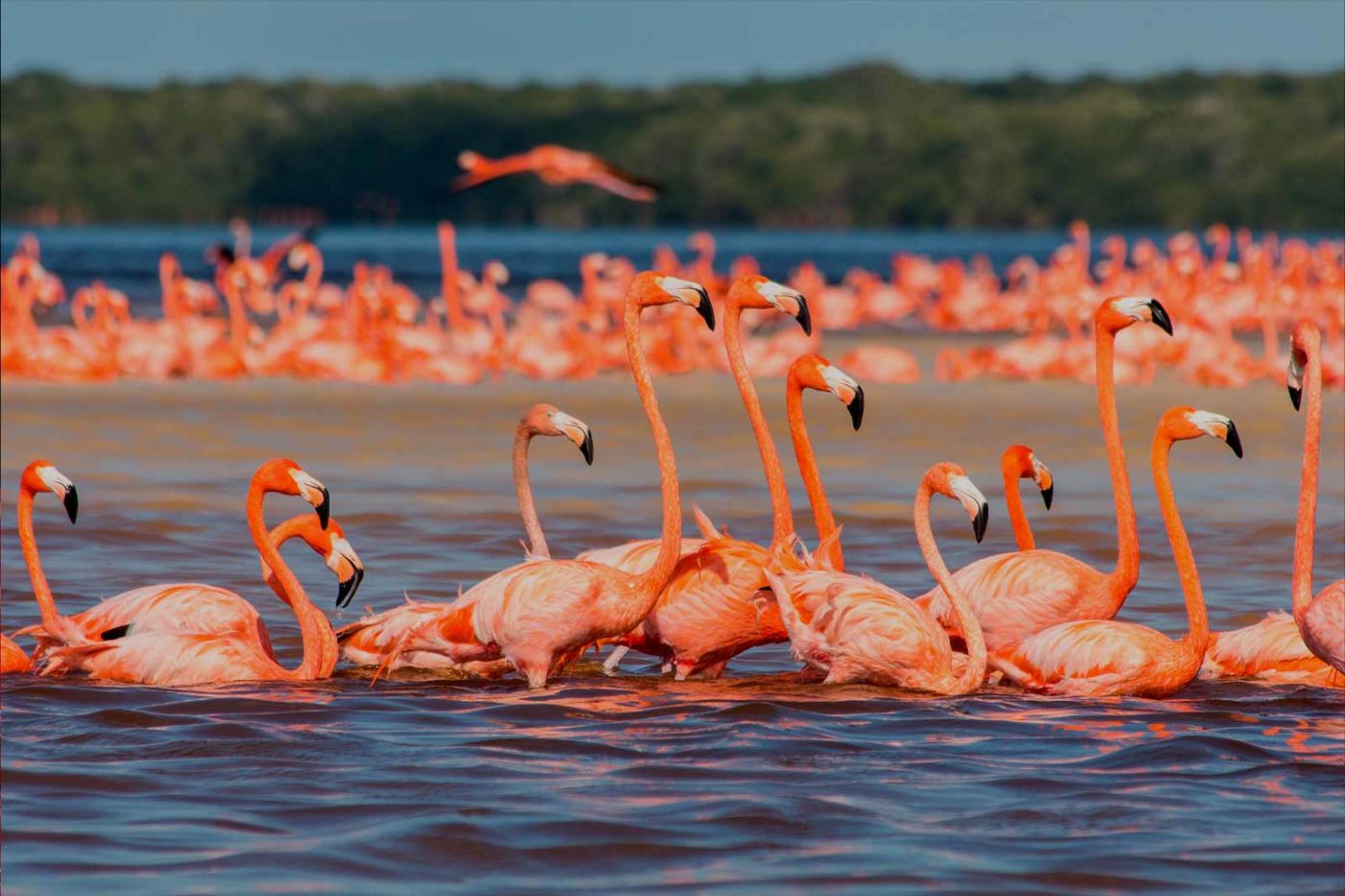
Flamingo Colonies
Large groups of American flamingos congregate in the shallow estuarine waters to feed on brine shrimp.
Look for pink clusters against the water during early morning hours.
The journey from Mérida to Celestún traces a 96-kilometer corridor through Yucatán's coastal plain, connecting the state capital to one of the peninsula's most biodiverse wetland systems. Understanding the route and its variables helps you plan departure times that align with the reserve's best wildlife viewing windows and avoid midday heat.
Quick answer
Celestún Biosphere Reserve sits 96 kilometers west of Mérida via Highway 281, a drive that typically takes 90 minutes under normal traffic conditions. The route follows a two-lane state highway through small towns and flat terrain, with minimal services after the town of Hunucmá at kilometer 30. Morning departures allow you to reach the estuary during the optimal 08:00–10:30 arrival window when flamingos feed in shallow water and temperatures remain moderate.
The 96-kilometer stretch between Mérida and the Celestún estuary represents one of Yucatán's most direct connections between urban infrastructure and protected wetland habitat. Highway 281 departs the western edge of Mérida's periférico and runs ruler-straight through henequen country before turning southwest at Kinchil, where the coastal plain flattens into salt marsh and mangrove. The distance from Mérida to Celestún translates to roughly 90 minutes of driving under typical conditions, though that figure shifts with variables most visitors underestimate. Morning traffic through Mérida's western colonias can add 15 minutes to your departure. The two-lane highway passes through Hunucmá, Tetiz, and Kinchil, where topes (speed bumps) and livestock crossings require attention. Beyond Kinchil, the road narrows and services disappear until you reach the fishing village that forms the reserve's gateway. The Yucatán coast road delivers you to a 600-square-kilometer mosaic of brackish lagoons, petenes (freshwater springs surrounded by tropical forest islands), and interdune wetlands that host over 300 bird species, including the Caribbean flamingo population that defines the reserve's identity. The estuary's shallow channels and mangrove tunnels lie just minutes from the town pier, where boat cooperatives operate under conservation protocols that limit engine noise and passenger numbers. Timing your arrival matters as much as knowing the route distance. The reserve's boat tours launch throughout the day, but flamingo behavior follows tidal and temperature rhythms that favor early visits. Water clarity peaks before noon, and the birds congregate in feeding zones closest to the pier during morning low tides. Departing Mérida by 07:00 positions you within the reserve's optimal window, giving you buffer time for roadside stops and the inevitable slowdown through Kinchil's market district. The return journey follows the same highway corridor, though afternoon light transforms the coastal plain into a study in shadow and salt pan geometry. Most visitors allocate four to five hours for the round-trip drive and a two-hour boat tour, a rhythm that accommodates the biosphere's ecological calendar and the practical limits of a single-lane coastal road.
“The 96-kilometer corridor connects Mérida's urban grid to one of the Yucatán Peninsula's most concentrated wetland ecosystems, a transition visible in the shift from henequen fields to salt marsh.”
The Celestun Biosphere Reserve is located approximately 92 kilometers west of Merida. Visitors typically reach the reserve by traveling along the Merida-Celestun highway.
Follow Carr. Mérida-Celestún (Highway 281) west to km 92
Depart from Noreste bus terminal in Merida to Celestun town
Private hire from Merida center to the reserve entrance
The address is Carr. Mérida-Celestún km 92, 97367 Celestún, Yuc., Mexico. Arriving between 08:00–10:30 is recommended to secure boat service before the afternoon heat.
The best arrival window is 08:00–10:30, as morning hours offer the best light for photography and calm water before afternoon heat. Early arrival also maximizes opportunities for wildlife observation before daily temperatures peak.
—
Avoids weekend visitor surges and provides the most tranquil atmosphere for boat tours.
Mild, 20°C–28°C
This period aligns with the flamingo migration, offering the highest density of wildlife sightings.
Hot, 25°C–35°C
Expect warmer conditions and higher humidity, though bird activity remains consistent during early hours.
Verdict: For optimal wildlife viewing and comfort, plan your visit for a weekday morning between November and March, arriving precisely at 08:00.
The Celestun Biosphere Reserve is open daily to accommodate visitors. The site maintains consistent operating hours throughout the week.
Access to the Celestun Biosphere Reserve is free of charge. Visitors should note that specific costs, such as boat tours for wildlife viewing, are managed separately at the reserve entrance.
Verdict: The entry fee is 0 MXN, with total costs depending solely on the boat tour arrangement selected upon arrival.
The Celestun Biosphere Reserve features distinct ecosystems where freshwater springs meet the Gulf of Mexico. These highlights offer a direct look at the region's diverse flora and fauna.
Large groups of American flamingos congregate in the shallow estuarine waters to feed on brine shrimp.
Look for pink clusters against the water during early morning hours.
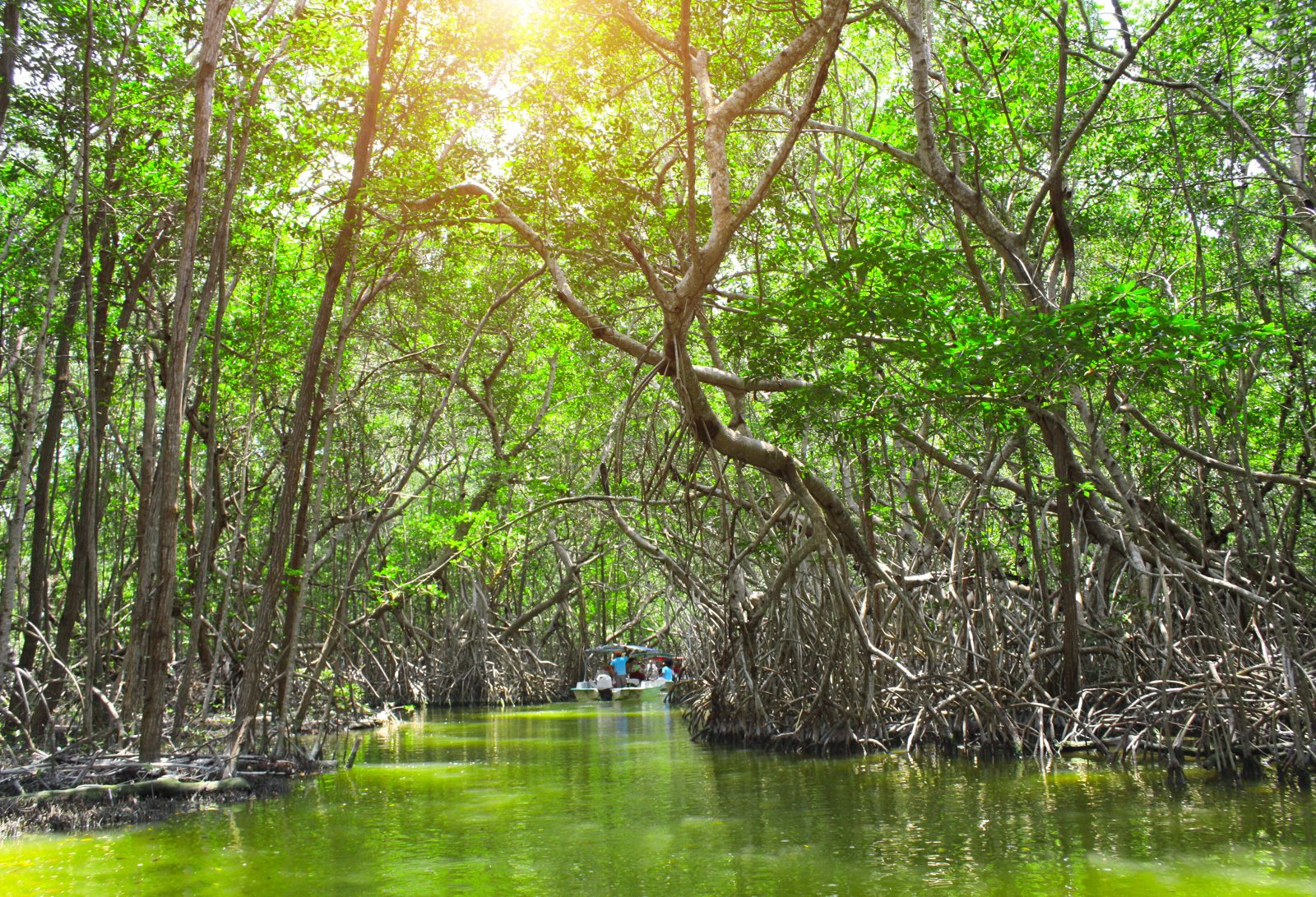
Densely packed mangrove trees create natural, narrow passages through the brackish water.
Request that your boat captain kills the motor for silence.
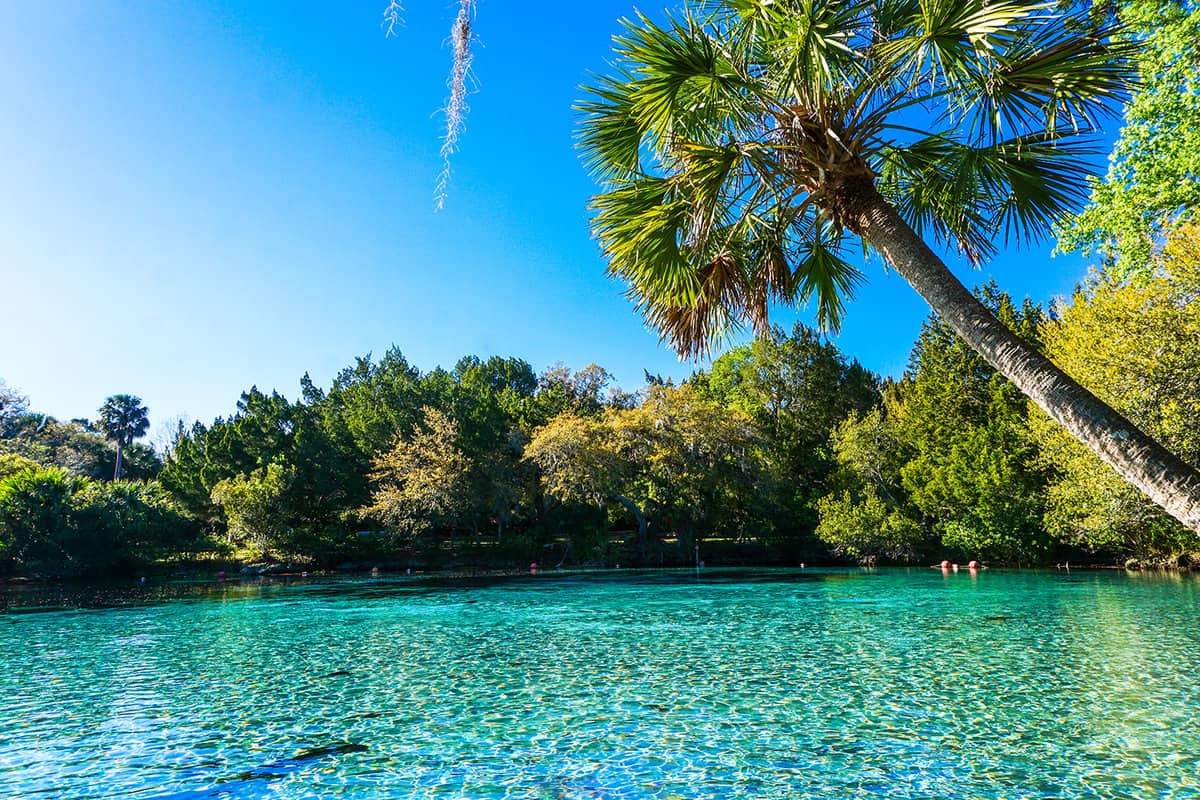
This clear, freshwater spring allows visitors to observe the ecosystem beneath the surface.
Bring swimwear if you intend to enter the cool water.
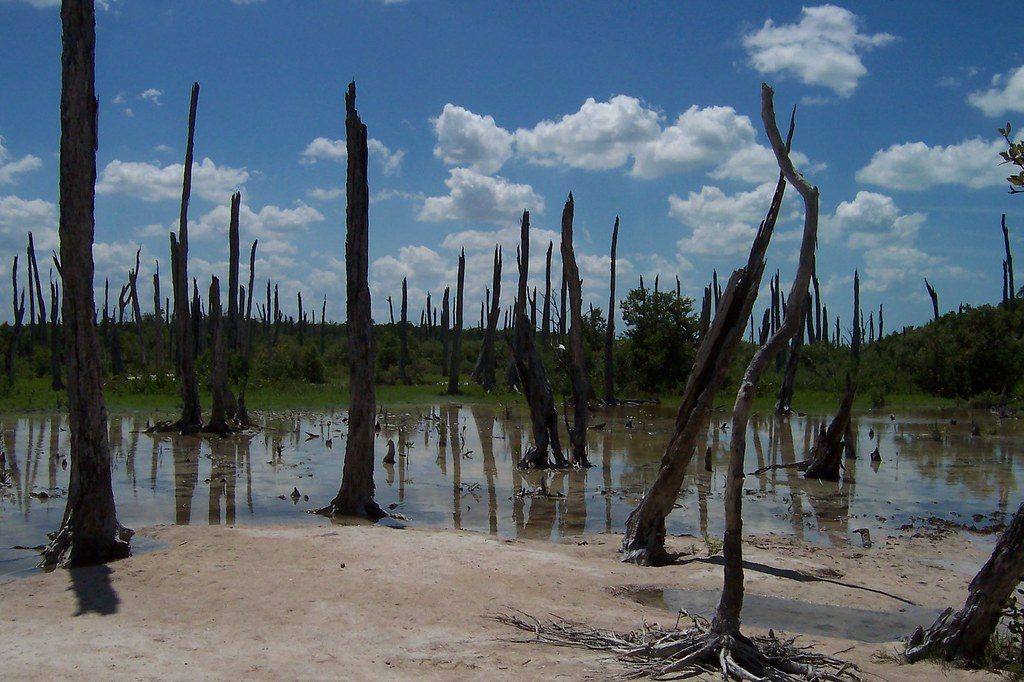
An area of dead, fossilized-looking mangrove trees standing in the water near the coast.
View these structures at low tide for the best visibility.
Prepare these essentials before your trip to the Celestún Biosphere Reserve.
Everything you need to know about how far is celestun from merida
The distance to the Celestun Biosphere Reserve is approximately 95 to 100 kilometers from downtown Merida. Planning for how far is celestun from merida helps ensure you allocate enough time for your coastal journey.
Travel time typically ranges between 1.5 to 2 hours by car depending on traffic conditions. Many visitors inquire about how far is celestun from merida to determine the best departure time for their day trip.
There is 0 MXN entrance fee for the reserve itself. While general entry is free, please note that conservation or boat fees for tours are separate and paid per boat.
The best arrival window is 08:00–10:30, as morning hours offer the best light for photography and calm water. Many guests considering how far is celestun from merida choose to arrive early to avoid the afternoon heat.
Yes, the reserve is open daily from 08:00 to 17:00, including weekends. You can plan your visit any day of the week within these established hours.
The official address is Carr. Mérida-Celestún km 92, 97367 Celestún, Yuc., Mexico. Having this information helps verify your route when calculating how far is celestun from merida.